Museum of Interiors Home

Category

Design History

13 articles

Divided by Purpose: The American Kitchen's Long Journey from Hidden Room to Open Stage — and the Quiet Return of Boundaries

Divided by Purpose: The American Kitchen's Long Journey from Hidden Room to Open Stage — and the Quiet Return of Boundaries

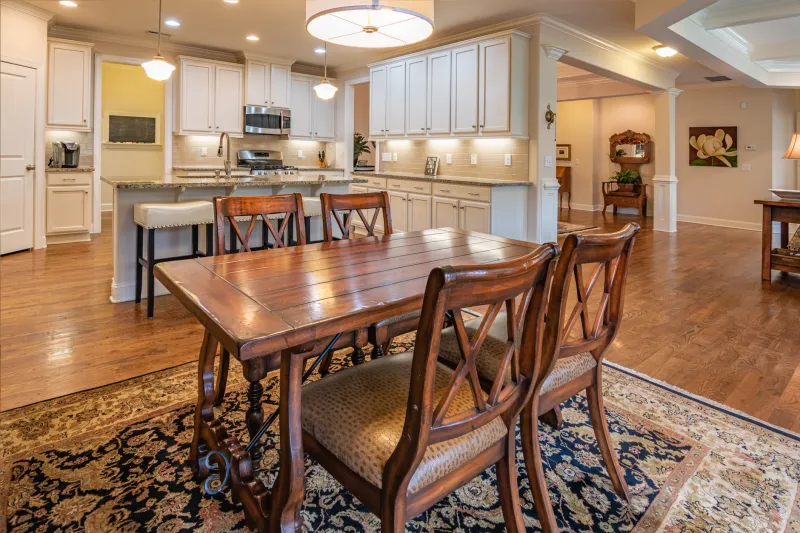
For much of American domestic history, the kitchen was a room designed to be forgotten — tucked away, sealed off, and shielded from the social life of the house. The open-concept revolution dismantled those walls entirely, transforming food preparation into performance. Now, a generation of designers is asking whether something essential was lost in the demolition.

Character by Accident: The American Interior's Embrace of Angles, Slopes, and Spaces That Refuse to Behave

Character by Accident: The American Interior's Embrace of Angles, Slopes, and Spaces That Refuse to Behave

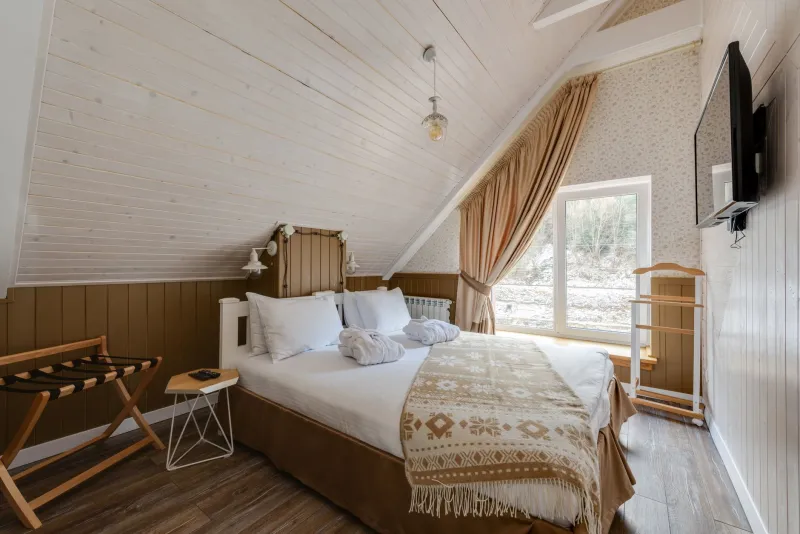
For generations, the sloped attic ceiling and the oddly angled corner were treated as architectural embarrassments—flaws to be concealed behind drywall or dismissed with furniture placement. Today, those same features command design attention, celebrated as the qualities that distinguish a home from a mere floor plan. This is the story of how American interiors learned to stop apologizing for their irregularities.

Imperfect by Design: The American Home's Awkward Spaces and Their Unlikely Ascent to Beloved Status

Imperfect by Design: The American Home's Awkward Spaces and Their Unlikely Ascent to Beloved Status

For much of the twentieth century, sloped ceilings, cramped alcoves, and irregularly angled walls were treated as architectural embarrassments—spaces to be concealed behind drywall or quietly ignored. That posture has shifted with remarkable completeness, and what was once considered a liability in the American home now frequently commands a premium in the design conversation. This is the story of how constraint became catalyst.

Between Outside and In: The Quiet Rise of the American Mudroom as Considered Space

Between Outside and In: The Quiet Rise of the American Mudroom as Considered Space

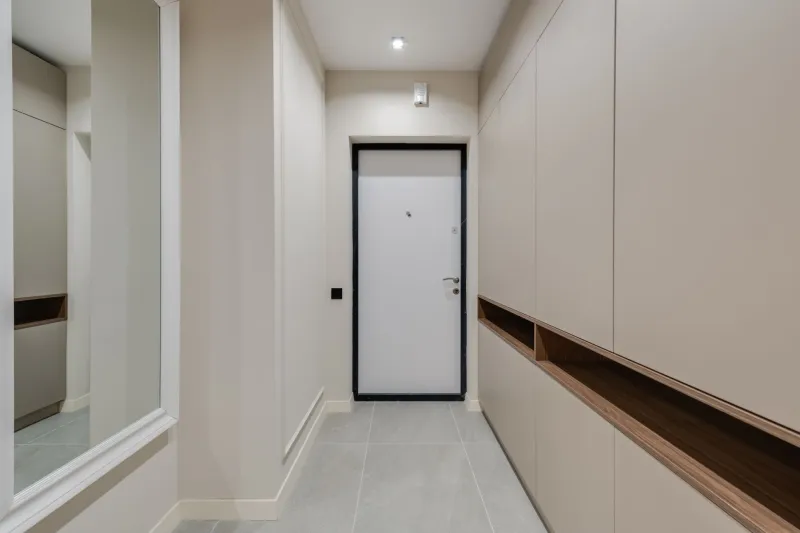
Once dismissed as little more than a glorified vestibule for wet boots and discarded coats, the American mudroom has undergone a remarkable reinvention. What was historically relegated to the margins of domestic architecture now commands serious attention from designers and homeowners alike. This is the story of how a utilitarian passage became a room worth examining.

The Passage Reclaimed: America's Hallways and the Architecture of In-Between

The Passage Reclaimed: America's Hallways and the Architecture of In-Between

Once among the most socially charged spaces in the American home, the hallway has endured decades of systematic reduction, treated as dead square footage rather than deliberate design. A closer examination of the corridor's long arc — from Victorian ceremonial threshold to contemporary afterthought — reveals both what was lost and what a growing cohort of designers is now urgently trying to recover.

Architecture's Awkward Inheritance: The Transformation of Dead Space into Deliberate Design

Architecture's Awkward Inheritance: The Transformation of Dead Space into Deliberate Design

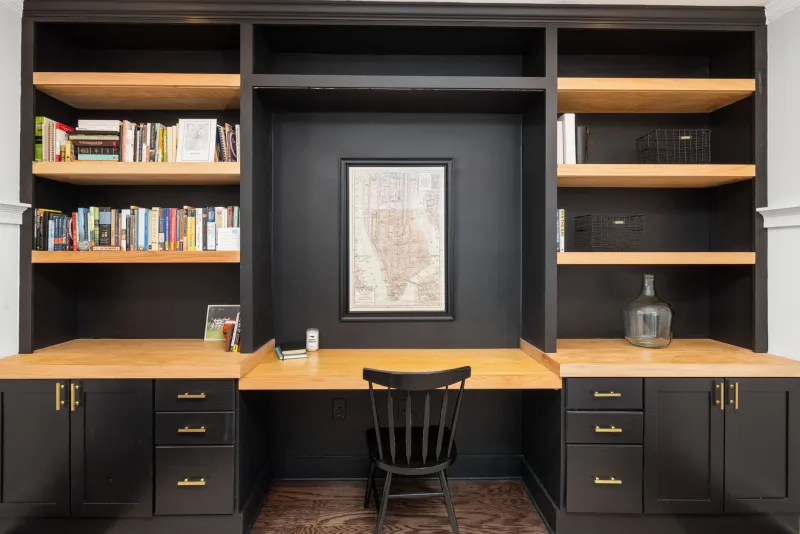
Every home contains its share of spatial anomalies—the sloped ceiling that defies furniture placement, the corner that no standard bookcase will ever fit, the narrow passage that seems to serve no purpose whatsoever. What design history reveals, however, is that these so-called failures have consistently produced some of the most inventive and personally resonant interiors in the American domestic canon.

From Function to Ritual: The American Fireplace and Its Long Road Back to Meaning

From Function to Ritual: The American Fireplace and Its Long Road Back to Meaning

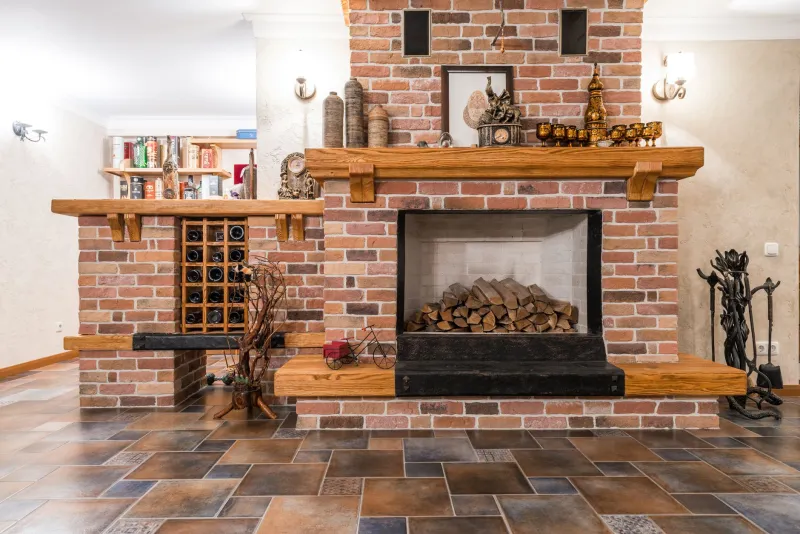
Once the literal and symbolic heart of the American home, the fireplace spent decades relegated to architectural afterthought—a decorative shell stripped of purpose. Now, a growing movement among designers and affluent homeowners is restoring it to prominence, not because the heat is needed, but because something less tangible has been lost without it.

Behind Closed Doors: The Long Transformation of the American Bedroom into a Personal Sanctuary

Behind Closed Doors: The Long Transformation of the American Bedroom into a Personal Sanctuary

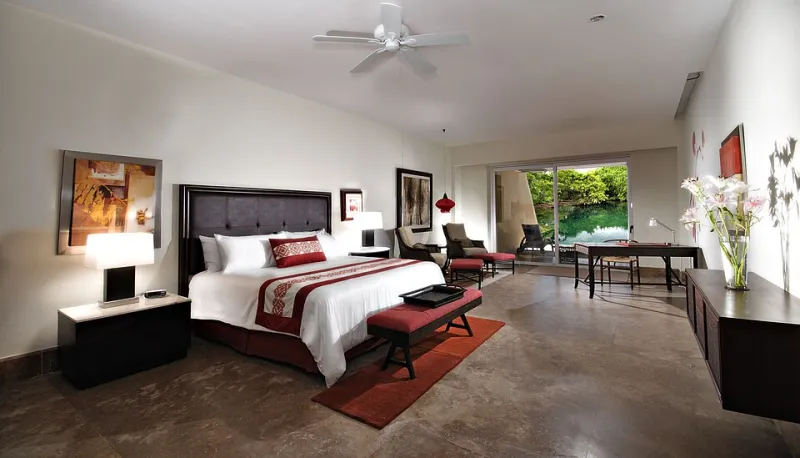
The American bedroom has undergone one of the most consequential transformations in domestic design history, evolving from a bare room reserved for sleep into an elaborately appointed private world. This shift reflects not merely changing tastes in furniture and textiles, but a profound reordering of American values around leisure, privacy, and the meaning of home itself. To trace the bedroom's evolution is to read a cultural autobiography written in square footage.

From Concealment to Ceremony: The American Bathroom's Ascent as a Room Worth Noticing

From Concealment to Ceremony: The American Bathroom's Ascent as a Room Worth Noticing

For much of the nineteenth century, the bathroom was a room Americans preferred not to acknowledge. What followed over the next hundred and fifty years is one of domestic design's most remarkable reversals—a space once tucked behind closed doors emerging as a primary site of aesthetic ambition, personal ritual, and considerable financial investment.

The Painted Mood: Seven Decades of American Wall Color as Emotional Autobiography

The Painted Mood: Seven Decades of American Wall Color as Emotional Autobiography

The colors Americans choose for their walls have never been purely aesthetic decisions. From the tentative pastels of postwar optimism to the aggressive neutrals of the anxiety-ridden 2000s and today's resurgent appetite for dramatic, saturated hues, residential paint palettes function as an unintentional national diary. Read closely, they document what we hoped for, what we feared, and what we could not bring ourselves to say out loud.

More Is More: The Historical Case for Maximalist Interiors and the Spaces That Refused to Disappear

More Is More: The Historical Case for Maximalist Interiors and the Spaces That Refused to Disappear

For decades, minimalism held an almost moral authority over American interior design, equating empty surfaces with good taste and restraint with sophistication. But a growing movement of designers and homeowners is deliberately reclaiming the layered, pattern-rich, object-filled room as a legitimate—and historically grounded—form of aesthetic expression. Tracing maximalism from its postmodern origins to its present-day resurgence reveals that the cluttered room was never really out of fashion; i

Atomic Age Revisited: Why Mid-Century Modern Has Become the Defining Aesthetic of the American Home

Atomic Age Revisited: Why Mid-Century Modern Has Become the Defining Aesthetic of the American Home

More than seven decades after its emergence from post-war American optimism, mid-century modern design has secured a permanent place in the contemporary home. From authenticated Eames originals to the contested world of licensed reproductions, the movement's visual language now speaks to a new generation of design-conscious homeowners navigating questions of authenticity, affordability, and aesthetic identity.